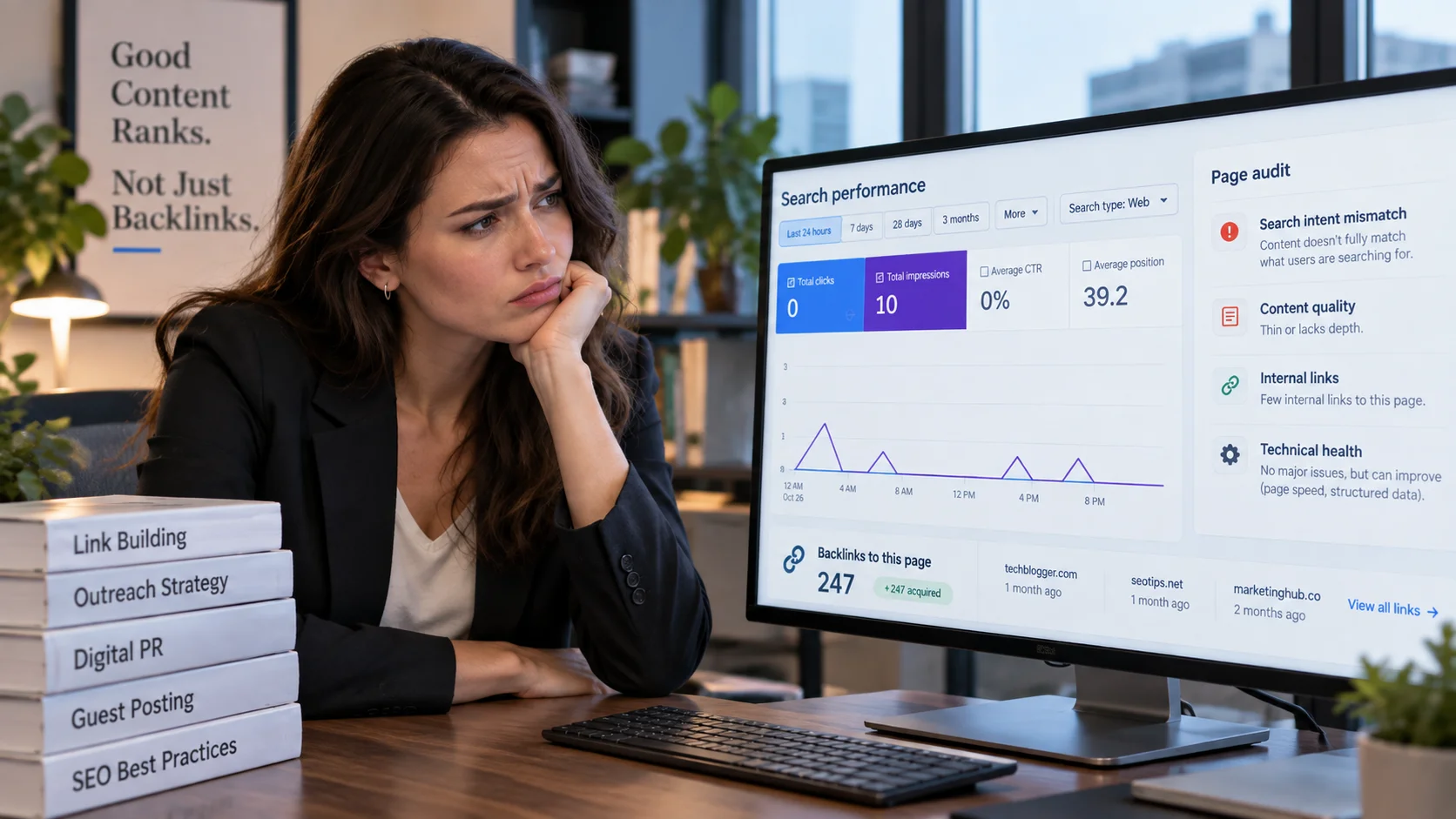
If you built backlinks but rankings still will not move, do not buy another batch yet. First find out whether the target page deserves to rank for the query and whether those backlinks deserve to exist.
A link cannot rescue a page that is not indexed, answers the wrong intent, has weak internal support or is simply less useful than the pages already ranking. And a dofollow link from a high-DR domain can still be a poor link when the source page is irrelevant, abandoned or built to host placements. Google does not run a loyalty scheme where the tenth blue link earns you position three.
The practical question is not, “How many backlinks did I build?” It is, “What is stopping this exact page from becoming a better result for this exact query?”
Before you build another backlink, check these four things
- Target page: Is it indexed, canonical and the URL Google shows for the query?
- Search intent: Does it solve the same problem as the pages currently ranking?
- Actual placements: Are the links live, crawlable, relevant and pointing to that target?
- Search performance: Did the target page gain relevant impressions, queries or positions after the work?
If one of these fails, more backlinks are usually an expensive way to avoid the real problem. Fix the failed step, then measure again.
Start with Google’s rules, not a backlink seller’s promise
Google says its ranking systems use many factors and signals at both page and site level. Link analysis is one of those systems, not the whole system. That is why two sites with similar backlink totals can rank very differently. The pages, queries and links are not interchangeable just because an SEO tool puts them in neighboring rows.
There is also a clear line between earning a useful mention and creating a link mainly to manipulate rankings. Google’s spam policies define link spam by that primary purpose. Buying links for ranking credit, automated link creation and optimized links in forum comments are among the examples Google lists. Paid placements should be qualified appropriately, usually with rel="sponsored" or rel="nofollow".
My working test is simpler: what useful reason does this link have to be here for the reader? Maybe it supports a claim, provides a better explanation, shows original evidence or takes the reader to a tool that solves the next step. If the only answer is “because I wanted a backlink,” the link has already failed the human test.
Check whether the target page can win before blaming the links
I start with the search result, not the backlink report. Search the target query in the right country and device, then study the pages Google is rewarding now. Are they product pages, comparisons, first-hand tests, tools, local results or detailed guides? If your page answers a different job, more backlinks may only push the wrong page a little harder.
Then check the page itself:
- Is the URL indexable, returning a clean
200response and using the intended canonical? - Does Google show that URL for the target query, or is another page from your site competing with it?
- Does the opening answer what the searcher needs without making them dig through a history lesson?
- Do relevant internal pages link to it with clear, natural anchor text?
- Is the mobile experience fast, readable and free from intrusive clutter?
Technical health is not a magic ranking switch. Google specifically warns that good page-experience scores alone do not guarantee top rankings. But a slow, confusing or inaccessible page can still waste the attention your links help it earn. Fix the floor before decorating the ceiling.
Now inspect the backlinks at page level
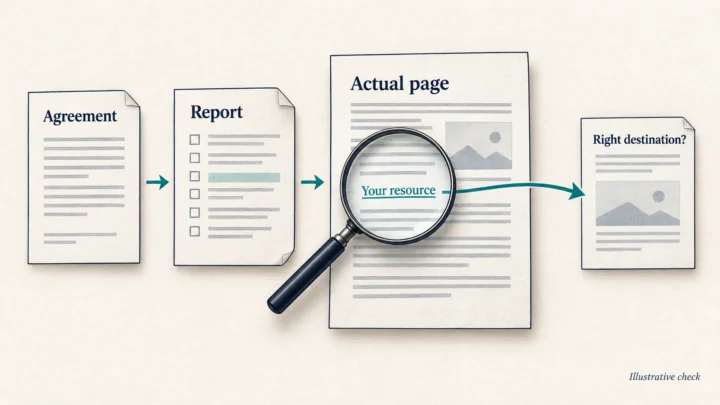
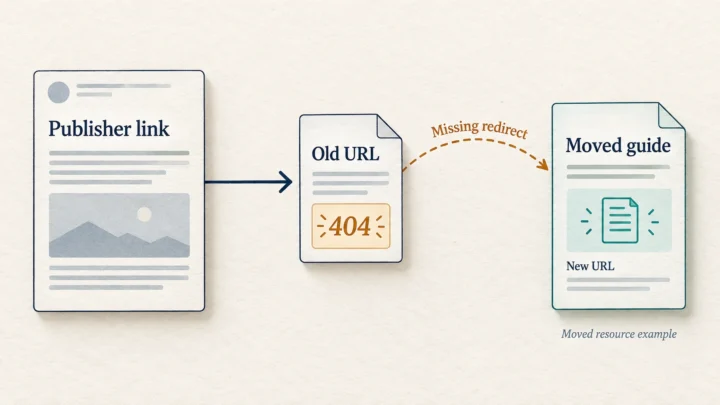
A referring-domain total hides the questions that matter. Open the exact linking page and verify that the link is live, crawlable and points to the URL you are measuring. Check the surrounding sentence, the page topic, the site’s recent content and what else sits beside your link.
Domain Rating and estimated traffic are useful filters, but they are not quality verdicts. A lower-DR page written by a real specialist can be more relevant and more useful than a high-DR page selling space to anyone with a card. Our guide on why Domain Rating is not enough shows where domain-level sorting breaks down.
The link attribute also answers only one question about the HTML. It does not prove relevance, trust or likely impact. If the difference between nofollow, ugc and sponsored is affecting your decision, check what those attributes actually tell you before rejecting or praising a placement.
Stop making the mistake that matches your problem
| Common mistake | Why it fails | What to do instead |
|---|---|---|
| Judging success by the backlink count | Ten links can mean ten useful mentions or ten ignored placements | Verify the source page, context, target and status of each link |
| Treating high DR or dofollow as a quality verdict | Neither proves that the page is relevant, trusted or useful | Use metrics to filter, then make a page-level decision |
| Building links to a weak or competing URL | Links cannot fix wrong intent, noindex or a conflicting canonical | Fix the target page and internal structure first |
| Copying a competitor’s link total | Visible totals hide link quality, page relevance and other ranking signals | Compare the exact ranking pages for the exact query |
| Changing content, links and technical settings together | You cannot tell which change helped, hurt or did nothing | Keep a dated change log and compare equal Search Console periods |
Use Search Console by query and page, not only at property level. Google’s Performance report documentation recommends looking at trends in clicks and impressions and lets you filter by page, query, country and device. Compare the same market and device across equal periods. Record when links appeared alongside content, technical and internal-link changes.
Also remember that Search Console’s Links report is a sample, not a complete backlink index. Ahrefs, Semrush and Google can show different totals without any of them proving that a link helped or hurt. A missing row in one tool is not a diagnosis.
What I observed on HairIsCurly
HairIsCurly was already moving in the right direction before I focused on links. I researched each topic around a real reader problem, wrote the shortest useful answer I could, and kept the site technically healthy with clear UX, good page speed and lean code. Search Console and Analytics were already showing better visibility.
Then a real hair salon linked to the site in a genuinely relevant context. The link was nofollow, but it had the one thing I cared about most: a reason to exist for someone interested in hair. I observed a small lift after it appeared. That timing was encouraging, but it does not prove the link caused the lift or passed ranking credit.
I later used WebDiagnosis to filter a list for relevant, readable pages. I reviewed the pages myself, understood the discussion and left comments only where I could add something useful. That did not turn every comment into a quality backlink. It removed the backwards habit of choosing a page for the link first and inventing a comment second.
The stronger growth arrived around Google’s August 2026 spam update, which the official status dashboard records from 18 to 21 August. In my tracking, daily clicks nearly doubled, average positions improved and the site began appearing for more queries. The three-month Search Console snapshot taken afterward shows 1.31K clicks, 193K impressions and an average position of 12.7, with visibly stronger daily activity in late August than in early June.
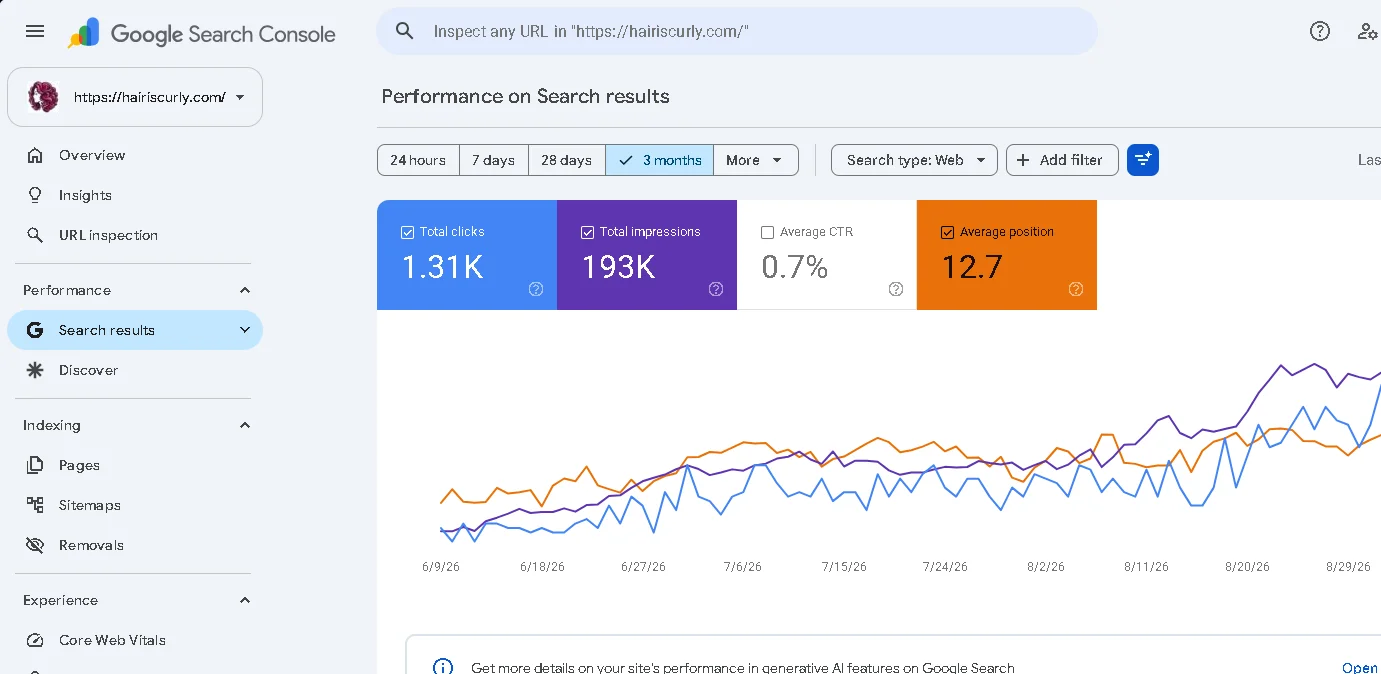
This was not a controlled experiment. Helpful content, technical health, the site’s existing upward trend, the salon mention, relevant comments, changing query coverage and the Google update all overlapped. I cannot honestly assign the result to one link type. What I can say is that the links were part of a reader-first system that was already giving Google useful pages to rank.
Should you build more backlinks?
Build more only when the target page is eligible, matches the current search intent and is already the best page on your site for the query. Then pursue mentions from pages where your resource adds something the reader would otherwise miss.
If the page is wrong, fix the page. If the placements are weak, change the prospect criteria. If impressions and relevant queries are rising, give the work a fair measurement window before tearing it apart. And if a link would look ridiculous with the SEO metrics hidden, it probably does not become respectable when the spreadsheet reappears.
Backlinks can support a strong result. They are not a substitute for one.